
Things to Do in Montecatini Terme: The Complete Guide to Tuscany's UNESCO Spa Town
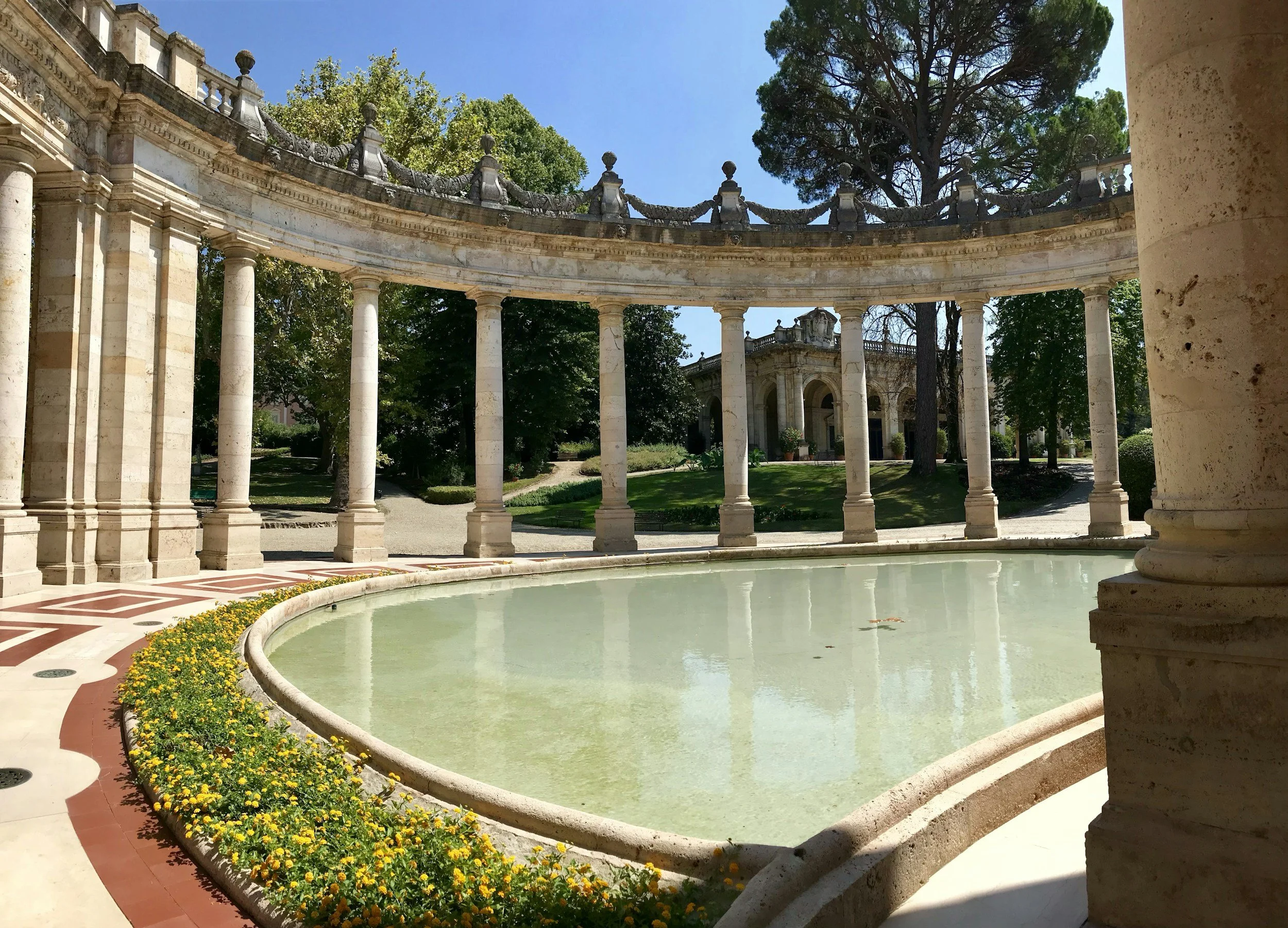
Montecatini Terme is far more than a place to take the waters. It is an elegant city of Liberty architecture, tree-lined parks, medieval hilltop villages and a rich gastronomic tradition. A UNESCO World Heritage Site since 2021 — as part of the "Great Spa Cities of Europe" — Montecatini has welcomed celebrated guests including Giuseppe Verdi, Giacomo Puccini, Luigi Pirandello and Vittorio Emanuele II. Today it is one of the most complete destinations in Tuscany, and sits just 15 minutes by car from Pistoia.
Here is everything you can do — and should not miss — in Montecatini Terme.
The Thermal Spas: Historic Establishments Worth Visiting
The thermal baths are the heart and soul of Montecatini. These are not simply wellness centres: the historic establishments are genuine Liberty monuments, adorned with marble colonnades, frescoes, ceramics and mosaics of rare beauty. They are worth visiting for the architecture alone, even without booking any treatments.
Terme Tettuccio
The most famous and spectacular of all. With its marble columns, rooms frescoed by Galileo Chini and ceramics by Basilio Cascella, the Tettuccio is considered one of the finest spa buildings in Europe. Its waters are traditionally recommended for liver and digestive conditions. Entry as a visitor is possible without booking treatments.
Terme Leopoldine
The oldest in Montecatini, built in 1777 at the behest of Grand Duke Peter Leopold of Tuscany. Elegant and intimate, they offer drinking-cure treatments and wellness programmes in a timeless atmosphere.
Terme Excelsior
Originally built as a Grand Café and Casino in the early 1900s, the Excelsior combines history and modernity. It offers thermal treatments, mud baths and beauty programmes in one of the most striking buildings in the spa park.
Terme Redi
The most modern establishment in the complex, inaugurated in 1962, specialising in inhalation treatments and drinking cures. Ideal for those seeking a more medical and therapeutic approach.
For hours, prices and bookings: termemontecatini.it
The Historic Funicular and Montecatini Alto
One of Montecatini's most iconic experiences is the ride on the historic funicular linking the spa town to the medieval village of Montecatini Alto. Inaugurated in 1898 — with Giuseppe Verdi among the guests at the opening ceremony — it is the second oldest funicular in Italy, after the one in Naples. The two vintage red carriages, "Gigio" and "Gigia", pass each other at the midpoint of the climb in an atmosphere that feels lifted from another century.
At the top, 290 metres above sea level and home to just 400 inhabitants, Montecatini Alto is a medieval village of extraordinary beauty. Quiet lanes, sweeping views over the Valdinievole valley and the Apennines, a small piazza with a café where you can sit and drink coffee in peace. Verdi himself said of this place: "From here one can see one of the finest views I have ever seen." It is hard to disagree.
Not to be missed in Montecatini Alto: the Church of Saints Jacopo and Filippo (1746), the convent of Santa Maria a Ripa, and the medieval tower with its single-handed clock — which tells the time in its own particular way, four times a day.
The Thermal Park and Viale Verdi
The Thermal Park is Montecatini's green lung: thousands of trees of rare botanical species, lined avenues, monumental fountains and the grand spa pavilions set within a landscape that has no equal in Italy. Walking through it is an experience in itself — and it costs nothing.
From Piazza del Popolo, Viale Verdi opens up — the town's main boulevard, dotted with historic fountains, contemporary sculptures and Montecatini's own Walk of Fame, where circular plaques in the pavement commemorate the great figures who have stayed in the city. A rewarding stroll even for visitors with no interest in the baths.
Art and Liberty Architecture
Montecatini is one of the Italian cities with the highest concentration of Liberty (Art Nouveau) architecture. Historic spa buildings, grand hotels, the Cinema Excelsior (1922) with its curvilinear iron-and-glass facade, the Municipal Palace housing a priceless Joan Miró painting in the MO.C.A. cultural space on the ground floor: simply walking through the centre with open eyes is enough to find yourself immersed in a catalogue of early 20th-century architecture of remarkable quality.
Gastronomy: The Cialde di Montecatini
The quintessential gastronomic souvenir of Montecatini is the Cialda — a thin, crisp wafer made from almonds and sugar, rolled while still warm into a cylinder. A local speciality produced by a handful of artisans following traditional recipes, to be enjoyed with ice cream or as an accompaniment to Vin Santo. Look for them along Viale Verdi in the specialist shops.
Fancy a hike?
Montecatini is a spa town, and that is precisely what makes it such a good base for walking: forest trails in the morning, thermal water in the evening. The Valdinievole hills begin right behind the town — the climb up to Montecatini Alto, the Grotta Maona, the abandoned medieval village of Monsummano Alto — and the high Apennines, with their glacial lakes and beech forests, are only an hour away.
If you would rather walk with someone who knows the ground, Stefano Gabryel — certified environmental hiking guide, nature photographer, and the man behind the photographs on this site — runs private guided hikes throughout the area, and guests of Villa Agnolaccio receive a 10% discount on all of them.
→ Read his guide: hiking and nature from Montecatini Terme
What to Visit Around Montecatini
Montecatini's position makes it an ideal base for exploring central Tuscany. Here are the most worthwhile destinations within 30 minutes:
Pistoia (15 km) — intact medieval centre, Piazza del Duomo, the Ospedale del Ceppo with its celebrated Renaissance majolica frieze.
Collodi (20 km) — the Pinocchio Park, Villa Garzoni and its spectacular Italian garden.
Pescia (15 km) — the flower city, with a historic centre rich in churches and medieval palaces.
Monsummano Terme (10 km) — the Grotta Giusti, a natural cave traversed by thermal vapours, one of the most unusual in Italy.
Lucca (35 km) — Renaissance walls, Piazza dell'Anfiteatro, the Cathedral of San Martino.
Florence (50 km) — reachable in under an hour by car or train.
When to Visit Montecatini Terme
Montecatini is a worthwhile destination in every season. Spring and autumn are ideal: mild climate, smaller crowds and the parks at their most beautiful. Summer is the peak season for the thermal baths, with many open-air evening events in the park. In winter the thermal waters are particularly enjoyable for the contrast with the cold, and the town comes alive during the Christmas period with the traditional "Città di Babbo Natale" (Santa Claus Village) in the thermal park.
How to Get to Montecatini Terme
Montecatini Terme is easy to reach from across Tuscany and beyond.
By car: exit Montecatini Terme on the A11 Florence–Sea motorway. From Pistoia: approximately 15 km (20 minutes). From Florence: approximately 45 km (40 minutes).
By train: Montecatini Terme station is on the Florence–Lucca–Viareggio line, with frequent services in both directions.
By plane: the nearest airports are Florence (Amerigo Vespucci, 45 min) and Pisa (Galileo Galilei, 40 min).
Villa Agnolaccio: The Perfect Base for Visiting Montecatini Terme
Villa Agnolaccio is just 15 km from Montecatini Terme — less than 20 minutes by car through the Tuscan countryside. From our B&B you can reach the thermal establishments in the morning, spend the day between the waters, a stroll through the park and a ride up to Montecatini Alto, and return in the evening to the peace of an 18th-century historic villa.
Montecatini is just one of many reasons to choose Villa Agnolaccio as your base in Tuscany. Pistoia, Florence, Lucca, Collodi, the Padule di Fucecchio nature reserve: everything is within easy reach, without sacrificing the tranquillity of the countryside.
Would you like to plan your stay? Get in touch — we'll be happy to help you organise every day of your visit.