
Villa Reale di Marlia: The Home of Napoleon's Sister
A few kilometres from Lucca, at the foot of the Pizzorne plateau, a long perimeter wall hides one of the most beautiful gardens in Italy. Behind that wall lies Villa Reale di Marlia: sixteen hectares of monumental parkland, three villas, chapels, a lake, an Art Nouveau swimming pool and a theatre made of hedges. For a brief period, in the early nineteenth century, this was the residence of one of Napoleon's sisters. Today, after a long restoration, it is open to the public once again — and it is one of the most surprising day trips in the area.
Elisa Bonaparte, Princess of Lucca
The core of the villa is seventeenth-century: it began as the palace of the Orsetti family, who laid out the first Baroque gardens. The turning point came in 1806, when the property was acquired by Elisa Bonaparte Baciocchi, sister of Napoleon and Princess of Lucca. It was she who gave the estate the face it still has today: she had the villa remodelled in the Neoclassical style, built the two elegant twin gatehouses at the entrance, and designed the great sweep of lawn in front of the building. Hence the name "Reale" (Royal) — this was a sovereign's residence. Elisa had to leave Marlia in 1814, with the fall of Napoleon.
A century later, in the 1920s, the villa was brought back to life by Countess Anna Laetitia "Mimì" Pecci-Blunt, a niece of Pope Leo XIII, who added the Spanish Garden, the theatrical Art Nouveau swimming pool and new water features.
The Park: What Not to Miss
The visit is above all a walk through greenery, and every corner has its own character:
The Green Theatre (Teatro di Verzura), an open-air theatre carved entirely from clipped yew hedges, complete with vegetal wings and "dressing rooms": one of the most famous in Europe, where legend has it Paganini once played for Elisa.
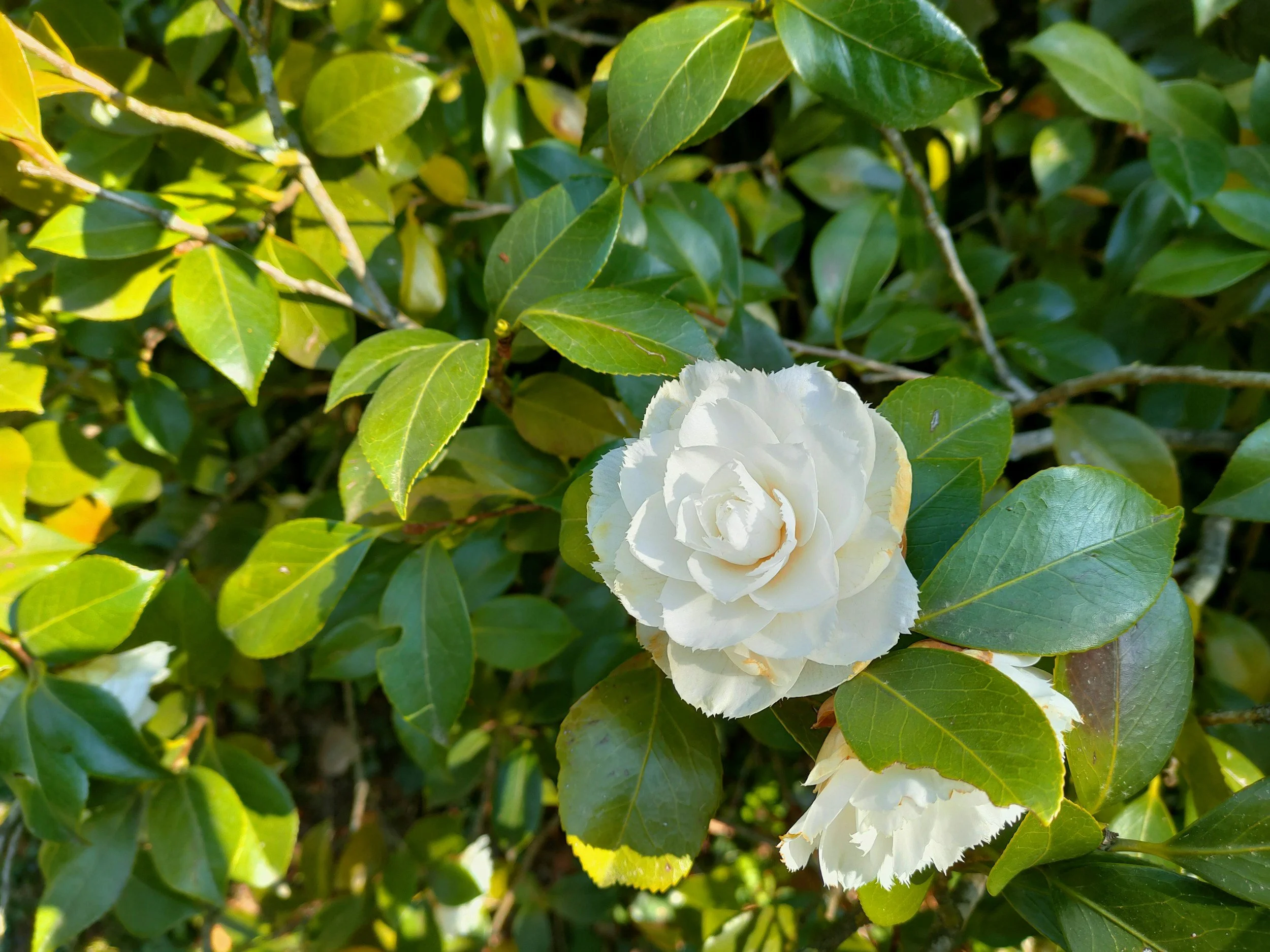
The Italian Garden and its pool, the Spanish Garden, the Camellia Avenue, and the Lemon Garden with its limonaia.
Pan's Grotto (Grotta di Pan), a frescoed nymphaeum beside the Villa del Vescovo, and the Water Theatre.
The 1920s Art Nouveau swimming pool, the lake, the streams.
You can also visit the interiors of the Royal Villa, with its Empire-style apartments, and the Clock House (Palazzina dell'Orologio), which holds the collections of Countess Pecci-Blunt.
Practical Information
The estate is usually open from March to late October, daily from 10:00 to 18:00, with reduced weekend openings in late winter and autumn, plus special events. It closes in winter for restoration work. A ticket for the park alone costs €12; a combined park-and-museums ticket €18, with reductions for young people, over-65s and students, and free entry for children up to 9. You can download the free "Villa Reale" app for audio guides, and dogs on a lead are welcome in the park. Since dates can vary (the estate reserves the right to close during the year), it is always worth checking opening times and events on the official website before you go. At an easy pace the visit takes half a day; with a picnic in the park, longer still.
Getting There from Villa Agnolaccio
Villa Reale di Marlia is about 45 minutes by car from Villa Agnolaccio: take the A11 towards Lucca, exit at Lucca Est, and follow the signs for Marlia. There is free parking near the entrance. Alternatively, you can reach Lucca by train and continue by local bus.
Villa Agnolaccio: The Perfect Base for a Tour of the Lucca Villas
Marlia is the gateway to one of the area's lesser-known treasures: the historic villas of the Lucca countryside. Within a few minutes of one another you'll find Villa Reale, Villa Grabau and Villa Torrigiani at Camigliano — period residences with spectacular gardens, perfect to string together over a day or two.
Villa Agnolaccio, in the hills above Pistoia, is the ideal base for this kind of slow itinerary: from here Lucca and its countryside are under an hour away, and in the evening you return to a period residence with its own garden — the same atmosphere as the villas you toured by day, but entirely your own.
The advice is to give the morning to the gardens of Marlia, unhurried, and the afternoon to Lucca within its walls, on the way home. A day of pure beauty, and no rush.
→ Book your stay at Villa Agnolaccio and set off to discover the villas of Lucca.