
Porretta Terme: Thermal Waters, Underground Springs and Soul Music
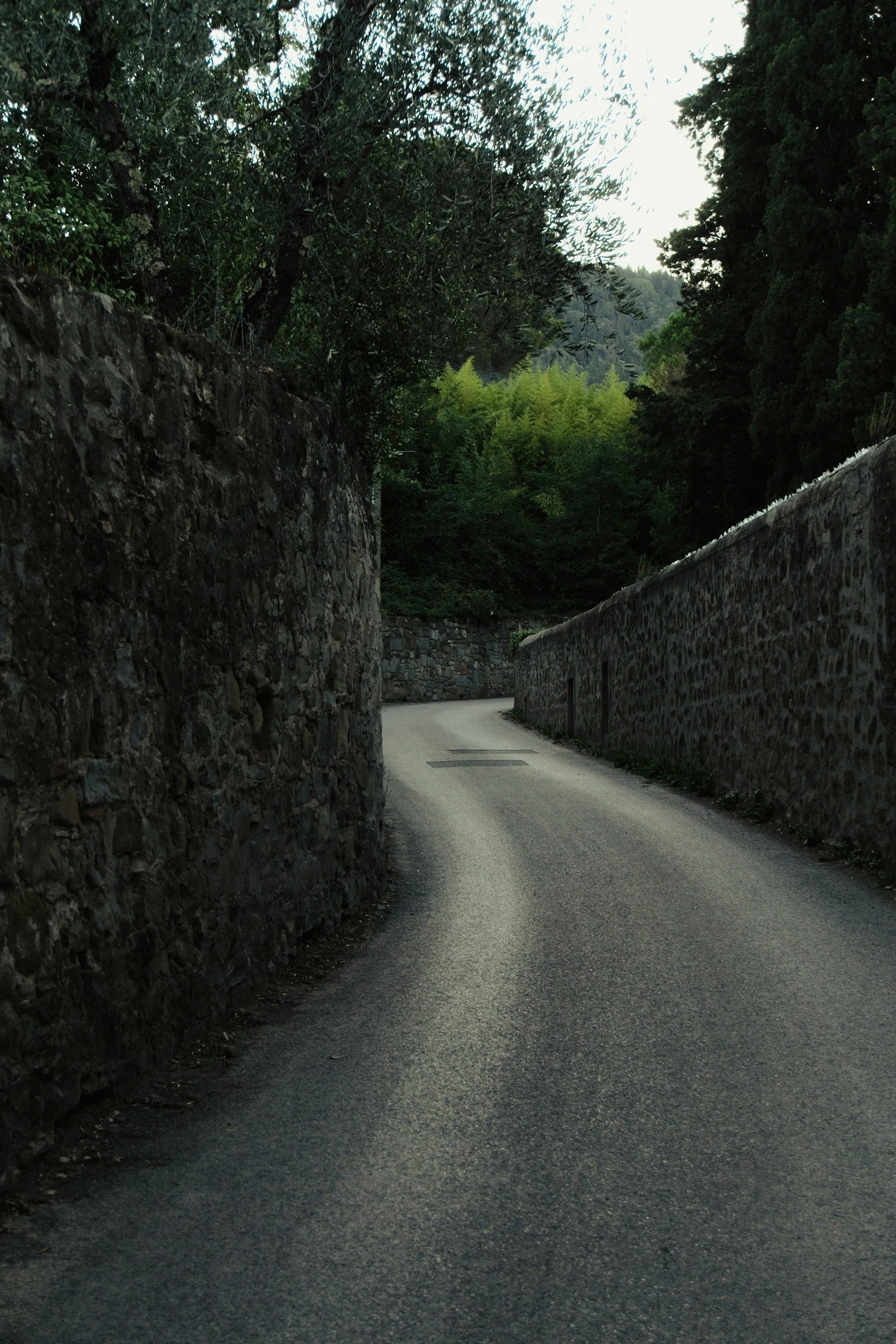
Once you cross the pass above Pistoia, the road drops into Emilia and the landscape changes: chestnut woods, stone houses, the river Reno squeezed between the mountains. At the bottom of the descent lies Porretta Terme, a town that holds together two identities which, at first glance, have nothing whatsoever to do with each other — two thousand years of thermal water, and the most important soul festival in Europe.
That, on its own, is a good enough reason to go.
Two Thousand Years of Hot Water
The springs of Porretta were already known to the Romans, and their reputation never faded. Sulphurous and salt-bromine-iodine waters rise from beneath the Apennines through fourteen separate springs: rich in sulphur, iodine and bromine, they have been used for centuries for the respiratory system, the joints, circulation and the skin.
Local legend credits the discovery to a sick ox, cured after drinking from the spring — the ox is still the symbol of the town today. Until 1931 the place was called Bagni della Porretta, and in the nineteenth century it lived its golden age, when grand hotels and Art Nouveau bath houses drew the aristocracy and bourgeoisie of half of Europe. Walking among the pavilions today, you can still read all those decades, one layered on top of the other.
The Baths Today
The spa is a short walk from the centre. Entry to the wellness area gives you the thermal pool, the vascular walk with its floor of river pebbles, the sauna and the relaxation area: a classic half-day of day use, with no need to stay overnight.
Alongside it, the medical side of the operation runs at full capacity — inhalations, mud treatments, thermal baths and rehabilitation, much of it available through the Italian national health service. The baths are open daily; in busy periods it is worth booking.
The Underground Springs: The Part Almost Nobody Knows About
This is the surprise. In 1884, in order to connect two bath houses — and in the hope of finding new springs — a tunnel was cut through the rock. It is still there, and you can still walk it, in a hard hat, with a guide.
Inside are the living springs: the Puzzola, the Porretta Nuova (27–28 °C, heavy with hydrogen sulphide and methane) and finally the Porretta Vecchia, the source the Romans already knew — warm and crystal clear. Along the way you pass veins of graphite, quartz crystals, salt concretions embroidering the rock, and a small pool of fresh water lying motionless in the dark, whose original purpose nobody can now explain.
The guided tour lasts around two hours, takes in the park and the historic bath houses, and ends — very properly — with a tasting of the two waters. Booking is essential: there are few slots and the groups are small.
The Town of Soul
In 1988 Graziano Uliani, a devotee of Black American music, decided to stage a festival in Porretta in honour of Otis Redding. It was meant to be a one-off. Nearly forty editions later, Porretta Terme has become what Americans call the European showcase of the Memphis Sound: Solomon Burke, Wilson Pickett, Isaac Hayes, Rufus and Carla Thomas, Percy Sledge, Booker T. & the M.G.'s and Mavis Staples have all played here.
The Porretta Soul Festival takes place every July in the Rufus Thomas Park, and the town carries the marks of that history all year round: there is a street named after Otis Redding, the Solomon Burke Bridge, an alley dedicated to Sam Cooke, fifteen murals telling the story of Black music along the streets of the centre, and a Soul Museum. Porretta is now officially twinned with Memphis.
Even outside festival week, following the murals from the bridge up to the park is a thoroughly enjoyable walk — and a fairly surreal one, in a mountain village in the Apennines.
The Town and Its Surroundings
The old centre unfolds between the Reno and the Rio Maggiore, with colourful squares and a long flight of steps climbing to the parish church of Santa Maria Maddalena, from where the whole town spreads out below you. Just outside, across the river, stands the sanctuary of the Madonna del Ponte, which holds something unique in Italy: the Sacrario del Cestista, a chapel dedicated to the Madonna as patron saint of basketball players.
Climbing into the mountains you find Castelluccio (900 metres, with its castle and a web of trails leading out of the village), the sanctuary of the Madonna del Faggio buried in a beech wood, the stone hamlets of Granaglione and Lustrola, and a chestnut park at Varano. The network of waymarked footpaths here is vast.
At the Table
Mountain cooking, without frills: crescentine with cured meats and cheese; zampanelle — a paper-thin, crisp wafer dressed with cunza (a paste of lard, garlic and rosemary) and a generous dusting of Parmesan; necci, made with chestnut flour; and zuccherini montanari. To finish, the local craft beer brewed with chestnuts at Granaglione.
Getting There from Villa Agnolaccio
Porretta Terme is about 45 minutes by car from Villa Agnolaccio: take the SS64 Porrettana, climb to the pass above Pistoia and drop down the other side into Emilia. Forty-odd kilometres of mountain road, hairpins included.
But there is a better way, and it is the train. The Porrettana railway, opened in 1864, was the first line ever to cross the Apennines and remains a masterpiece of viaducts and tunnels: from Pistoia it reaches Porretta in a little under an hour, threading through Piteccio, Pracchia and Molino del Pallone. If you are heading to the baths and would rather not drive home afterwards, this is the right choice.
Villa Agnolaccio: The Perfect Complement to a Day at the Baths
There is a clear logic to combining a day in Porretta with a stay at Villa Agnolaccio: the thermal water puts you back together, and the villa lets that feeling last into the evening and beyond.
Villa Agnolaccio stands in the hills above Pistoia, forty-five minutes from the baths: close enough that the trip never feels like an effort, far enough away to offer a completely different atmosphere — the garden, the olive trees, the quiet of the Tuscan hills.
The best programme is also the simplest one: a morning in the thermal pool or down in the spring tunnels, lunch in a mountain trattoria, a slow afternoon on the road home, and an evening at the villa doing absolutely nothing. Which, more often than not, is exactly why you came.
→ Book your stay at Villa Agnolaccio and plan your day at the Porretta thermal baths.